Short Article By-Perkins Geertsen
Lately, vision correction methods have progressed greatly, presenting patients safer and more effective options. One of the most recent innovations in this area is SMILE eye surgery, a minimally invasive method that has drawn focus for its significant benefits. If you're considering options for addressing nearsightedness, it’s crucial to comprehend what SMILE surgery entails and how it relates to different vision correction techniques.
Many people are eager to learn more about this novel approach, as it not only offers enhanced eyesight but also offers a shorter recovery time. With the increasing demand of the SMILE surgery for myopia, questions about cost, security, and efficacy arise frequently. In SMILE Surgery Long Term Results , we will examine all the details about SMILE surgery, including its advantages, how it works, and what to anticipate during recovery. Whether you are curious about the technique or wanting to contrast it with alternative methods like PRK, you can find the information you need.
What exactly is SMILE Eye Surgery?
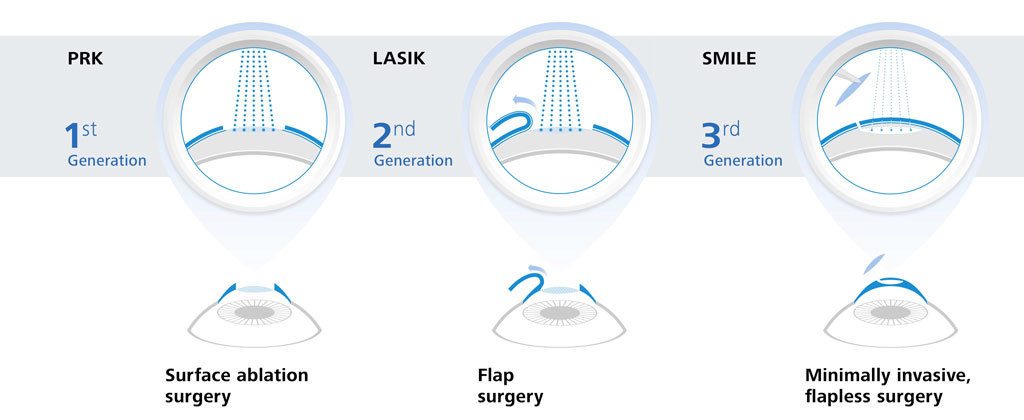
Small Incision Lenticule Extraction or SMILE Eye Surgery represents an innovative laser eye surgery specifically primarily for treating nearsightedness, also known as nearsightedness. This less invasive procedure offers an option to conventional methods like LASIK. Utilizing utilizing state-of-the-art laser techniques, SMILE alters the corneal surface so that light entering the eye to be accurately focal, enhancing vision and eliminating the need for glasses and contacts.
In the course of this process, a laser is employed for creating a slim lenticule or corneal tissue, that is subsequently removed via a small cut. Such a unique approach ensures that there is less disruption of the cornea's top layer, resulting in a quicker healing time for patients . Typically, the surgery typically takes less than thirty minutes and and is conducted on outpatient setting, enabling individuals to return their daily activities soon after the procedure.
One of the key features in this procedure is the accuracy along with safety record. Unlike other surgical techniques which necessitate the creation flaps in the corneal layer, SMILE only necessitates a small incision. This lowers the chances of complications and side effects yet still ensuring optimal visual outcomes. Consequently, many patients prefer SMILE for being a more comfortable and highly effective option for resolve issues with vision related to nearsightedness.
Advantages of Small Incision Lenticule Extraction (SMILE) Eye Surgery
One of the key advantages of Small Incision Lenticule Extraction (SMILE) Eye Surgery is the low-impact nature of the procedure. Unlike standard laser surgeries, such as LASIK, Small Incision Lenticule Extraction requires only a small incision, which leads to reduced trauma to the eye and faster recovery times. This less invasive approach also means that there is a lower risk of complications and fewer discomfort during and after the procedure, allowing patients to return to their daily activities more quickly.
Another significant advantage of Small Incision Lenticule Extraction is its effectiveness in treating myopia and nearsightedness. The SMILE procedure modifies the cornea to improve how light is focused on the retina, providing patients with sharper vision without the need for glasses or contact lenses. Studies have shown that patients experience high satisfaction rates and substantial improvements in their vision quality after undergoing SMILE surgery. This efficacy makes it an desirable option for those seeking a lasting solution for their vision issues.
Additionally, SMILE Eye Surgery has a favorable safety profile compared to other refractive surgery options. The recovery process is typically easy, with most patients experiencing limited side effects, such as dry eyes or glare. Moreover, the absence of a flap, which is standard in LASIK, reduces the risk of flap-related complications. As such, many individuals find Small Incision Lenticule Extraction to be a secure and effective choice for achieving their vision correction goals.
Price of Small Incision Lenticule Extraction Surgery
The cost of SMILE eye surgery can vary significantly based on several conditions, including the surgeon's experience, the technology used, and the geographic location of the clinic. On average, patients can expect to pay ranging from two thousand to $4,000 dollars per eye. This cost reflects the professional equipment and expertise required to perform the procedure efficiently.
When evaluating the total expense of Small Incision Lenticule Extraction laser eye surgery, it is crucial to account for possible further expenses such as pre-operative evaluations, post-operative care, and follow-up visits. While the initial investment may look substantial, many patients discern that the long-term benefits, such as getting rid of the need for glasses or contact lenses, render it the procedure financially beneficial over time.
Insurance coverage for SMILE surgery often varies, with some plans offering partial coverage while others may exclude it at all. Patients should speak to their insurance providers to comprehend their benefits and any potential financing options accessible to facilitate the procedure more attainable.
Healing and Side Effects
After having SMILE eye surgery, the recovery process is generally swift and straightforward. Most patients notice an immediate improvement in their vision after a few hours post-surgery. Nonetheless, it is recommended to take it easy and avoid intensive activities for the first few days. Numerous individuals go back to their usual daily routines within a day or two, but full visual stabilization may take a few weeks to obtain. https://docs.google.com/document/d/1Exp1bMVo-jo2QoIrsj9_HKid-VsFmw8TCQr7yfejoi8/edit?usp=sharing to the surgeon's post-operative care instructions is essential to ensure a hassle-free recovery and optimal results.
Common side effects post-SMILE eye surgery include dry eyes, slight discomfort, and variations in vision. These symptoms are typically mild and tend to go away on their own as the eyes heal. Patients may be prescribed moisturizing eye drops to help ease eye dryness sensations. It's vital to keep an eye out for any abnormal or ongoing symptoms and to consult with the eye care provider if concerns come up.
Compared to other refractive surgeries, such as PRK, the side effects associated with SMILE are generally minimal, partly due to the less invasive nature of the procedure. Patients often indicate high satisfaction rates with their vision outcomes and healing experience. However, as with any surgical procedure, personal experiences may differ, and discussing potential risks and adverse effects with a qualified eye care professional is critical for informed decision-making.